
What Does “High THC-A Percentage” Actually Mean?
Many people talk about “high THC-A percentage,” yet few understand what the term truly means. THC-A, or tetrahydrocannabinolic acid, is the compound in raw cannabis that converts into THC after heat exposure. A high THC-A percentage usually refers to cannabis with over 25% THC-A content, which indicates strong potential for potency once activated.
This percentage serves as a clue to how powerful the product could feel after use, but raw THC-A itself does not cause a high. The conversion process, called decarboxylation, turns THC-A into psychoactive THC. Therefore, understanding the difference between the two helps set accurate expectations about strength and effects.
Those interested in cannabis often look at THC-A levels to judge value and quality. However, factors like genetics, cultivation, and processing also influence the final experience. Learning how these elements interact provides a clear picture of why some strains stand out for their potency and how to approach them responsibly.
Understanding High THC-A Percentage
A high THC-A percentage shows the potential strength and quality of a cannabis product before heat changes its chemical form. Potency differs by strain, product type, and how the compound reacts after conversion through heat exposure.
What THC-A Percentage Means in Cannabis
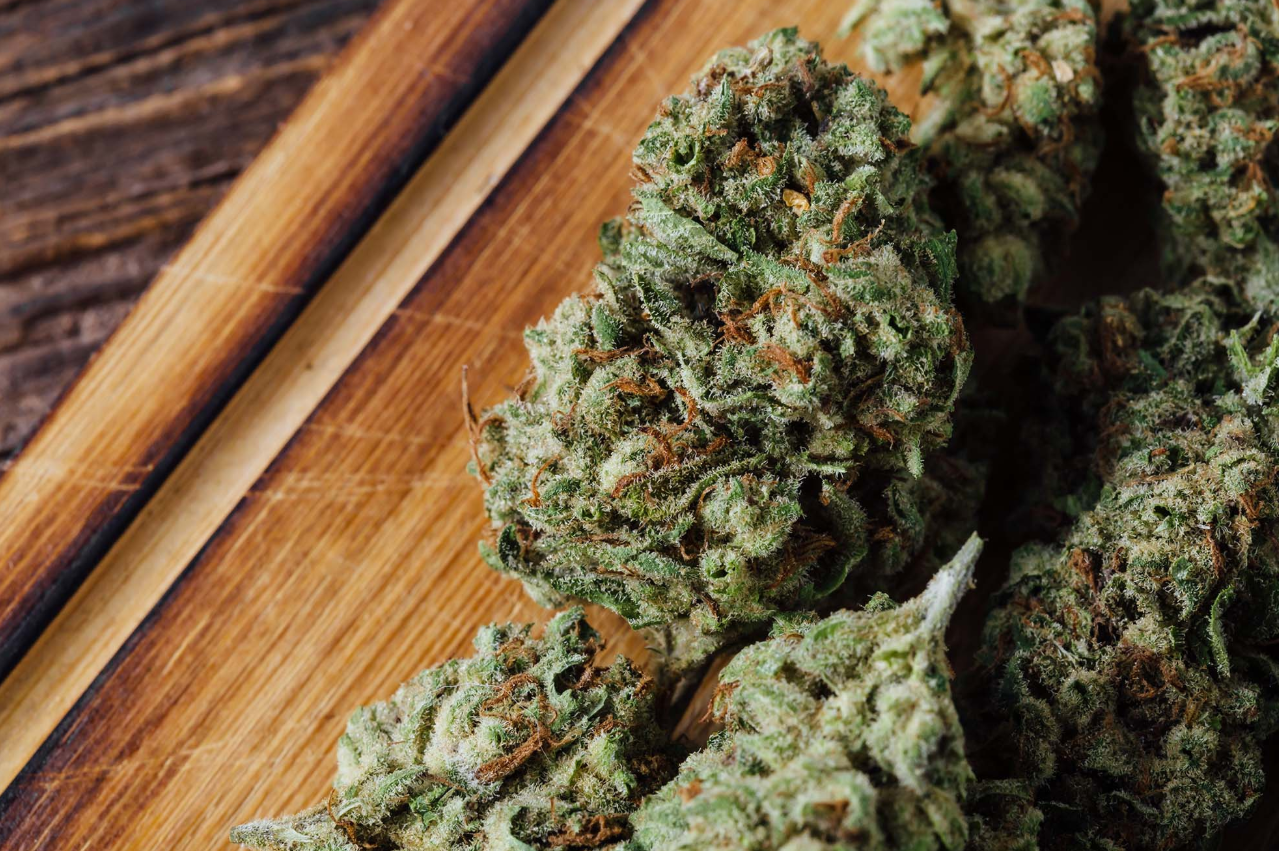
THC-A, or tetrahydrocannabinolic acid, exists naturally in raw cannabis and measures how much of this acid form is present relative to the full weight of the product. A higher percentage indicates a stronger potential to form THC after heat exposure. Many top-shelf flowers test above 25%, while concentrates may exceed 90%.
Buyers often use the percentage as a guide for potency, expecting more pronounced effects after use. Puffy’s THCA collection for sale has a range of products labeled by their THC-A content to help their customers compare purity and strength when deciding which one to purchase. Proper labeling helps users select products that match their tolerance and health goals.
THC-A levels also depend on how the plant was bred and cared for during growth. Stable genetics, correct harvest timing, and safe curing methods help preserve a strong cannabinoid profile and maintain potency.
THC-A vs. THC: Chemical Difference and Potency
THC-A and THC share a close chemical relationship but produce very different effects. THC-A has a carboxyl group that prevents it from binding efficiently to human cannabinoid receptors. This structure keeps it non-psychoactive in raw form.
In contrast, THC lacks that carboxyl group and directly activates those receptors, producing a high. A product labeled with high THC-A shows more potential potency, not immediate psychoactivity. Therefore, the THC-A percentage serves as an indicator of what the product might deliver after activation.
Lab-tested results often list both THC-A and THC levels so users can estimate total potency. The combined value helps predict effects but also guarantees legal compliance, as regulations often limit the active THC portion to 0.3% for hemp-based goods.
Decarboxylation: Converting THC-A to THC
Heat triggers THC-A to become THC through a process called decarboxylation. The reaction removes the carboxyl group from the acid molecule, changing it into a psychoactive compound. Smoking, vaping, or baking cannabis all cause this natural conversion.
The efficiency of this process depends on temperature and time. If heat exposure is too low, much of the THC-A remains inactive. Too much heat may degrade cannabinoids, lowering the overall effect. Understanding this helps users control potency by choosing methods that activate THC-A effectively.
Some prefer raw or minimally heated products for non-intoxicating benefits, while others apply controlled heat to unlock stronger results. Producers often test products after decarboxylation to confirm the actual THC concentration before packaging.
Why High THC-A Percentage Matters
A higher THC-A percentage affects more than strength. It changes how a product feels after heat converts THC-A into active THC and can influence therapeutic effects and the best form for use.
Impact on Psychoactive Effects
A strain with a high THC-A percentage often signals stronger effects once heat converts it into delta-9 THC. The process, known as decarboxylation, happens through smoking, vaping, or baking. This reaction removes an acid group from THC-A and turns it into the compound that causes a high.
Higher percentages usually mean more potential THC after conversion. However, raw THC-A itself does not cause intoxication. Consumers who smoke or vaporize high-THC-A flower should expect noticeable psychoactive strength and need less product for the same effect.
Different factors such as heat level, storage, and strain type influence how much THC-A turns into active THC. Therefore, understanding potency helps users gauge what to expect before consumption and plan their dosage responsibly.
Therapeutic and Medicinal Potential
THC-A shows promise in wellness use because it may interact with the body without the intense high associated with THC. Some early research and user reports suggest that THC-A could help manage inflammation, nausea, and muscle discomfort. These effects occur before the compound converts into THC, meaning raw forms may benefit users seeking relief without strong psychoactive reactions.
The percentage of THC-A also predicts how much active THC could be available in heated use. This balance makes it appealing for both clinical interests and casual consumers who want flexibility. A product rich in THC-A gives options for non-heated or heated use depending on need.
As interest in plant-based compounds grows, attention to THC-A content helps identify products suited for specific goals, such as relaxing effects or wellness support. Consumers value this data for making clear, informed choices that match their tolerance and conditions.
Forms and Consumption Methods
THC-A appears in several forms, including raw flower, powders, extracts, and gummies. The way a person uses it affects both the experience and the outcome. Smoking or vaping activates THC through heat, while raw or cold-pressed products keep THC-A in its original, non-intoxicating form.
Each option offers a distinct profile. Raw flower often contains moderate THC-A levels, while concentrates may reach very high percentages. Edibles like gummies may already include converted THC for immediate results, making them different from raw forms.
Consumers should read product labels to verify percentages before use. Understanding these forms helps match desired outcomes with the best method. For instance, raw or topical applications may suit daytime use, while heated forms may work better for a traditional high.
Conclusion
A high THC-A percentage shows how much potential a cannabis product has before heat converts it to active THC. This value helps users understand possible strength, but it does not mean the product causes immediate intoxication. In raw form, THC-A remains non-psychoactive.
Products with 25% or higher THC-A in flower or above 30% in concentrates generally count as high. These numbers signal the product’s potential potency after decarboxylation. However, the real results depend on factors such as temperature, storage, and processing methods.
Consumers benefit from reading labels carefully and comparing laboratory data to confirm accuracy. Legal limits on Delta-9 THC still apply, even in products rich in THC-A. Therefore, awareness of both chemistry and regulation helps users choose safely.
Understanding what “high THC-A” means lets individuals match products to their needs. It turns a complex term into clear knowledge that supports smarter and more responsible use.


