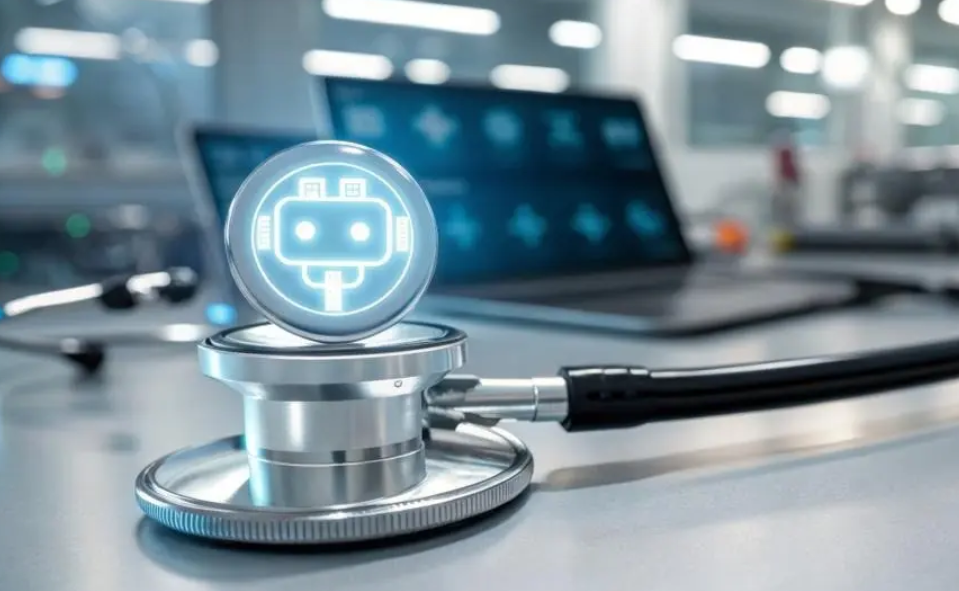
The Future of Healthcare AI: Trends to Watch in 2026 and Beyond
The healthcare line is being transformed, as a consequence of advances brought by artificial intelligence. Going into 2026 and further, AI in healthcare is becoming more pervasive, intelligent, and patient-centric. Among these innovations, genai in healthcare is becoming its anthem, transforming diagnostics, treatment plans and patient experiences. The best is yet to come in terms of efficiency, accuracy, and an era of proactive and personalized medicine.
Revolutionizing Diagnostics with AI Precision
Diagnostic is one of the largest areas where AI is being used in healthcare. Traditional ways of diagnosing are effective, but can be time-consuming and labor-intensive. AI, and specifically genai in healthcare, has made predictions and claims regarding the processing of complex medical data (and much more) with incredible speed and accuracy. Sophisticated algorithms can identify faint signals in imaging scans, blood tests and genetic information that lead to earlier detection of cancers, cardiovascular diseases and even rare genetic disorders.
That brought a level of precision to diagnostics that meant fewer misdiagnoses, and a confidence in data-driven decisions for doctors. Patients experience quicker outcomes, less stress, and more specific care plans. With ongoing learning and enhancements, AI-based models’ predictive performance will be better than traditional models, leading to a new era in preventive care.
Personalized Treatment Plans and Patient Care
The age of one-size-fits-all treatments is slowly giving way to highly individualized methods, aided by AI. With genai in medicine, treatment regimens are becoming more customized for patients on an individual basis, taking into account such elements as genetics, lifestyle, and real-time health data. AI can model various treatment options, with a high likelihood of impact and side effects, prior to actual use.
This tailored strategy not only improves the efficiency of the medical interventions but it also has a significant positive impact on patient satisfaction. Through the close understanding of patients at a micro level, providers can deliver care that is customized to the unique needs and preferences of individuals, putting a human face to care. The use of AI in patient-centric care means every decision is data-driven, resulting in better health outcomes and greater well-being.
Streamlining Hospital Operations
Impact of AI is not limited to patient care but also extends to the efficient running of healthcare organizations. Hospitals and clinics are now increasingly using AI-based solutions to streamline scheduling, resource management and other administrative functions. Genai in healthcare is leading this change by automating repetitive work and enabling the medical staff to engage in more patient-centric work.
More efficient systems result in reduced waiting time, more effective use of staff and better utilization of healthcare resources. The close integration of AI systems with human professionals means that patients can be assured of receiving timely and effective care. With hospitals incorporating these technologies, the transport system as a whole will become better equipped to address the needs of an increasingly demanding patient population.
Enhancing Drug Discovery and Development
The pharmaceutical industry is also undergoing its own AI-fueled revolution. Drug discovery has traditionally been multi-year, hugely expensive affair. But thanks to genai in healthcare, they can interrogate massive datasets of chemical compounds, forecast drug interactions, and spot promising candidates at speeds never before seen. AI can run virtual clinical trials, formulate drugs, and even estimate possible adverse reactions before they are tested on humans.
This speeding up of drug development not only decreases cost but also delivers life-saving drugs to patients more quickly. AI’s potential to transform and accelerate the research process suggests a future in which cures and treatments for previously intractable diseases can be found more quickly than ever before, to the benefit of millions— if not billions— of people around the world.
The Promise of Proactive Healthcare
Looking to the future, AI will enable healthcare to evolve out of its reactive nature and into a predictive and proactive state. Continuous monitoring with wearable devices and AI analysis makes it possible to identify potential health problems earlier, before they lead to emergencies. With genai in healthcare, it enables doctors to predict patient needs, take early action, and advocate preventive health.
This advance initiative could have wide ranging effects on public health, decreasing costs of heath care, and enhancing quality of life. Patients will stop waiting for diseases to advance, as AI will assist in maintaining wellness by detecting risks and recommending timely interventions. In the future, we anticipate a bright future for healthcare, enabled by technology, with better opportunities for providers and patients to improve outcomes and live healthy lives.
Conclusion
The prospect of healthcare AI in 2026 and beyond is truly astounding. AI is revolutionizing what’s possible in medicine, from revolutionizing diagnostics and individualizing treatment plans to conducting research, improving operations, and providing proactive care. Genai in healthcare is leading revolution and changing the world with efficiency, accuracy and compassion. And as these technologies advance, humanity can look forward to a healthcare system that is more focused on the individual patient, driven by data, and able to tackle global health problems with renewed enthusiasm and creativity. AI-based health care is poised to deliver the right care to the right person at the right time: a future that, in turn, delivers a healthier and brighter world for all