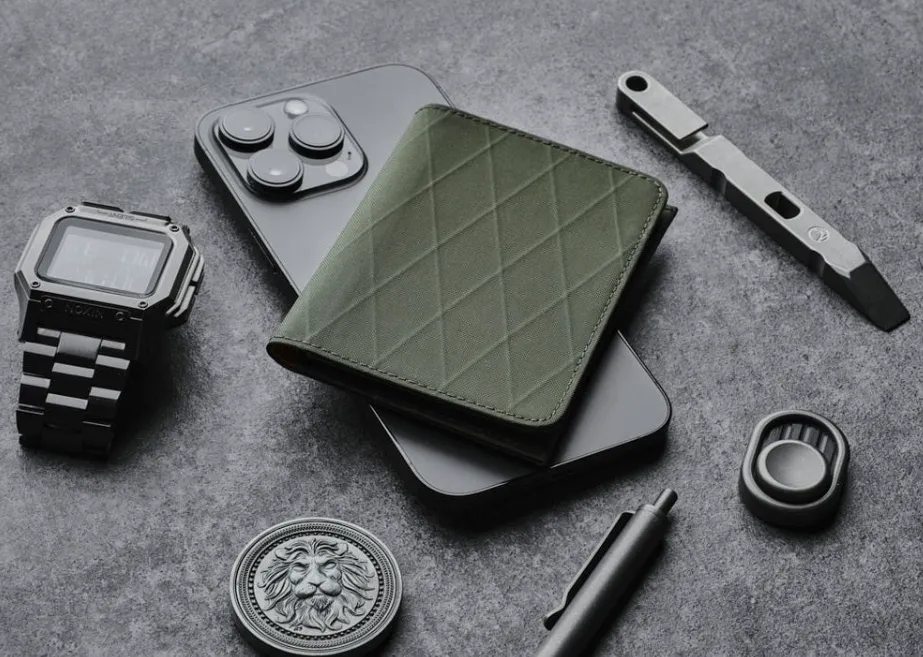
Minimalism and the Tools We Carry
Minimalism is often misunderstood as owning as little as possible. In reality, it is about intentional selection. The focus is not on reducing quantity alone, but on choosing items that serve a purpose and integrate naturally into daily life.
What we carry with us each day — physically and habitually — reflects how we prioritize simplicity and function. When tools are selected thoughtfully, they contribute to clarity rather than clutter.
Everyday Objects as Extensions of Routine
People interact with a small number of tools repeatedly throughout the day. These objects shape efficiency and comfort. Compactness, durability, and intuitive use are qualities that increasingly guide selection.
Minimalism encourages evaluation: Does this item support routine? Does it align with personal preferences? Does it operate without unnecessary complexity?
Accessories and tools can effortlessly elevate your style. In case you are an adult tobacco or nicotine user, thoughtfully designed products, like Ploom, can complement a modern aesthetic. As a heated tobacco device, Ploom’s compact design may appeal to smoking individuals seeking functional yet stylish accessories. While not a fashion item, such tools can integrate seamlessly into a curated lifestyle, reflecting personal preferences and tastes.
This perspective illustrates how minimalism does not eliminate functionality — it refines it.
Reducing Friction Through Design
Clutter often creates subtle stress. When too many objects compete for attention, decision-making becomes more difficult. Streamlining tools reduces cognitive load and increases clarity.
Minimalist selection is not about deprivation. It is about removing what does not contribute to daily rhythm while retaining what fits naturally.
Intentional Ownership
Modern minimalism also emphasizes responsibility. Keeping fewer items encourages longer use and thoughtful care. This mindset shifts focus from constant acquisition to sustainable integration.
When ownership is intentional, routines become more stable. Each item serves a role without excess.
Conclusion
Minimalism is less about subtraction and more about alignment. By choosing tools that support routine and reflect personal preference, individuals create environments that feel organized and coherent.
The tools we carry each day influence how life unfolds. When selected with intention, they reinforce clarity rather than distraction.