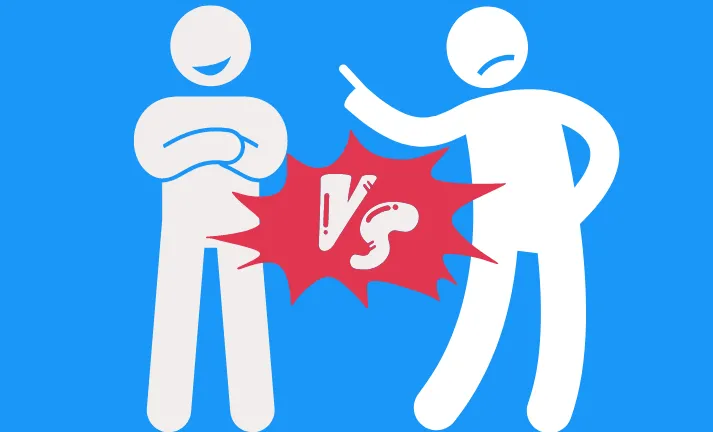
Confidence vs Arrogance: The Line Most People Cross Without Realizing
Confidence is attractive. Arrogance is not.
Yet many people unintentionally slide from one into the other — or avoid confidence altogether because they’re afraid of appearing arrogant. This confusion leads to overcorrection, self-doubt, and inconsistent social outcomes.
At JoinMuse, this distinction is critical. Because true confidence is not about projecting superiority — it’s about self-awareness and calibration. When people understand how they come across, they stop guessing where the line is. And once guessing stops, confidence becomes effortless.
Why Confidence and Arrogance Get Confused
From the inside, confidence and arrogance can feel similar. Both involve self-assuredness, decisiveness, and presence. But from the outside, they are perceived very differently.
Confidence feels:
- Grounded
- Calm
- Open
- Secure
Arrogance feels:
- Performative
- Defensive
- Closed
- Status-driven
The problem is that most people judge themselves by intent, while others judge them by impact.
This gap is where confusion begins.
Intent vs Impact: The Core Problem
Many people who come across as arrogant don’t feel arrogant. They feel confident, enthusiastic, or passionate. But confidence without calibration can easily tip into overstatement, dominance, or dismissal of others.
Conversely, some people who appear timid internally feel confident — but their behavior doesn’t communicate it.
This is why self-assessment alone is unreliable.
JoinMuse is built around closing this gap between intent and impact by providing external perspective — not to criticize, but to clarify.
The Role of Self-Awareness in Staying on the Right Side of the Line
Self-awareness is what keeps confidence from becoming arrogance.
When you’re self-aware, you notice:
- How often you talk versus listen
- Whether you’re sharing or proving
- If you’re reacting defensively or responding calmly
- How others’ energy shifts around you
Without this awareness, people often default to habits:
- Talking too much when nervous
- Over-explaining to sound competent
- Dismissing feedback unintentionally
- Dominating conversations without realizing it
These behaviors don’t signal confidence — they signal insecurity trying to protect itself.
Why Arrogance Is Often a Defense Mechanism
Arrogance is rarely about believing you’re better than others. More often, it’s about avoiding vulnerability.
When people feel unsure, they may:
- Overstate achievements
- Speak in absolutes
- Avoid admitting uncertainty
- Dismiss other viewpoints
These behaviors create a temporary sense of control, but they push others away.
Confidence does the opposite. It allows space for uncertainty without collapsing.
Calibration: The Missing Skill
The difference between confidence and arrogance is calibration — the ability to adjust behavior based on context and feedback.
Calibrated people:
- Match the energy of the room
- Assert without overpowering
- Share opinions without forcing agreement
- Stay grounded even when challenged
Calibration requires awareness. Without it, confidence becomes rigid.
This is one of the core skills emphasized at JoinMuse, where users learn not just what to say or do, but when and how to adjust.
Why People Overcorrect in the Wrong Direction
Many people, after being told they come across as arrogant, swing too far in the opposite direction.
They:
- Minimize themselves
- Stop expressing opinions
- Avoid taking up space
- Seek approval excessively
This doesn’t create humility — it creates invisibility.
The goal is not less confidence. It’s clean confidence — confidence without ego.
External Feedback Is the Only Reliable Compass
You cannot reliably determine whether you’re being confident or arrogant from the inside.
You need feedback that reflects:
- How others feel around you
- Whether they feel heard or overshadowed
- If your presence invites or repels engagement
This is why structured external feedback is so powerful.
In other domains, separating quality from perception requires objective evaluation over time rather than emotional reactions. A similar principle is discussed in analyses aroundevaluating quality vs reliability, where outcomes only make sense when patterns are observed consistently.
Social behavior works the same way. One interaction doesn’t define you — patterns do.
How JoinMuse Helps Refine Confidence
Through guided feedback, JoinMuse helps users identify:
- Where they unintentionally overpower conversations
- Where they under-assert themselves
- How their tone and pacing affect perception
- Which behaviors feel confident versus performative
The goal is not personality change. It’s alignment.
When behavior aligns with intent, confidence feels natural — and arrogance disappears.
Confidence Is Quiet, Not Loud
One of the biggest myths is that confident people need to be loud, dominant, or constantly expressive.
In reality, confident people are often:
- Comfortable with silence
- Willing to listen fully
- Secure enough to disagree calmly
- Unbothered by not being the center of attention
Arrogance needs validation. Confidence does not.
Why Arrogance Repels While Confidence Attracts
Arrogance creates tension. People feel:
- Judged
- Interrupted
- One-upped
- Unseen
Confidence creates ease. People feel:
- Heard
- Respected
- Relaxed
- Engaged
These emotional responses matter more than words.
JoinMuse focuses on helping users understand the emotional impact they create — because that impact determines attraction, trust, and connection.
Small Adjustments Make a Big Difference
Staying on the right side of the confidence–arrogance line rarely requires major changes.
Often, it’s about:
- Asking one more question
- Pausing instead of filling silence
- Sharing opinions without defending them
- Letting others finish their thoughts
These small adjustments dramatically change how confidence is perceived.
Why Generic Advice Misses the Point
Advice like:
- “Be more confident”
- “Be more humble”
- “Don’t be arrogant”
Fails because it lacks specificity.
What feels confident for one person may feel arrogant for another. Without personalized feedback, people are left guessing.
This is why JoinMuse emphasizes individualized insight rather than universal rules.
Confidence Is About Security, Not Superiority
At its core, confidence is not about being better than others. It’s about being secure with yourself.
When you’re secure:
- You don’t need to dominate
- You don’t fear disagreement
- You don’t chase validation
- You don’t collapse under criticism
That security is visible — and attractive.
Final Thoughts
The line between confidence and arrogance is not fixed. It’s contextual, dynamic, and deeply tied to self-awareness.
Without feedback, people guess — and guessing leads to overcorrection or defensiveness.
With awareness and calibration, confidence becomes clean, calm, and consistent.
That’s the kind of confidence JoinMuse is designed to build.