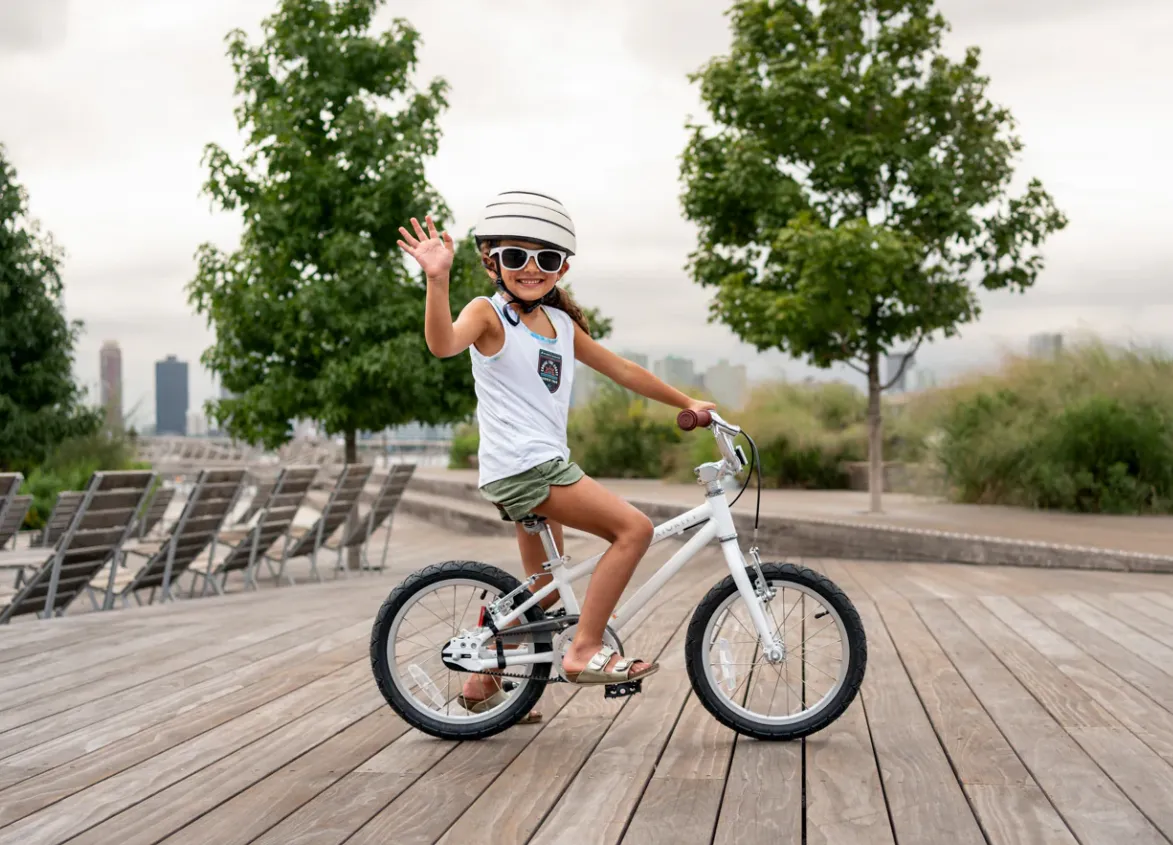
Choosing a 16 Inch Bike for Ages 4–7: Size, Safety, and Riding Confidence
Getting the wrong bike size for a child is one of the most common mistakes parents make. It looks minor but it seriously affects how fast a child learns, how often they fall, and whether they actually enjoy riding. A 16 inch bike for ages 4-7 is one of the most searched bike sizes for young children in Australia, and the data backs why: 16-inch wheel bikes hit a specific developmental window where kids have the leg strength and coordination to ride confidently without being overwhelmed by frame weight. Getting this right from the start changes everything about the experience.
How Do You Know If a 16 Inch Bike Is the Right Size?
Wheel size alone doesn’t tell the whole story. What matters most is standover height and reach.
A child riding a 16-inch bike should be able to place both feet flat on the ground while seated. Not tippy-toe. Flat. When kids can’t touch the ground properly, they panic at stops. That panic leads to crashes. Crashes lead to fear. Fear ends riding careers before they start.
The ideal inseam measurement for a 16-inch bike sits between 45 cm and 55 cm. Most children aged 4 to 7 fall into that range. If your child is on the shorter end at 4, check the seat height minimum before buying.
What Safety Features Should a 16 Inch Bike Have?
Start with brakes. A 16-inch bike should have at least a coaster brake (rear pedal-back brake) and ideally a front hand brake too. Most 4-year-olds don’t have the hand strength for effective hand braking yet, but teaching them early builds the habit correctly.
Chain guards matter more than people think. Open chains catch clothing and skin. A full chain guard keeps small fingers and loose pants out of trouble. It also keeps the chain cleaner longer, which reduces maintenance.
Check the handlebar grips. They should be rubber, not hard plastic, and they should have end caps. Without end caps, handlebar ends can cause serious puncture injuries in a fall. This is a small thing with real consequences.
How Does Bike Fit Affect Riding Confidence in Young Kids?
Dramatically. Research in motor development shows that children aged 4 to 6 are in a critical phase for balance and coordination skill building. A bike that fits well teaches the brain the correct movement patterns. A bike that’s too big or too heavy teaches compensation habits that are hard to unlearn.
Frame weight on 16-inch bikes ranges from about 6 kg to 12 kg depending on the brand and material. Steel frames are heavier. Aluminum frames are lighter and easier for kids to handle, especially when learning to turn sharply or carry the bike up steps.
Should You Get Gears on a 16 Inch Bike?
No. Single-speed is the right call for this age group. Gears add cognitive load at a stage where the child is already managing balance, steering, and pedalling simultaneously. Keep it simple. One gear, reliable brakes, good tyres.
Tyre pressure also matters. Under-inflated tyres make bikes sluggish and harder to steer. Check pressure before every few rides. Most 16-inch tyres run between 40 and 65 PSI.
What’s the Best Way to Transition from a Balance Bike to a 16 Inch Pedal Bike?
Remove the pedals first. Let the child glide on the 16-inch bike the same way they used their balance bike. Once they’re gliding comfortably and lifting their feet, add the pedals. Most kids make this transition in under two weeks using this method. It’s faster and less stressful than the traditional “training wheels” route.
Training wheels teach leaning into turns. That’s the opposite of correct bike technique. Avoid them if you can.