
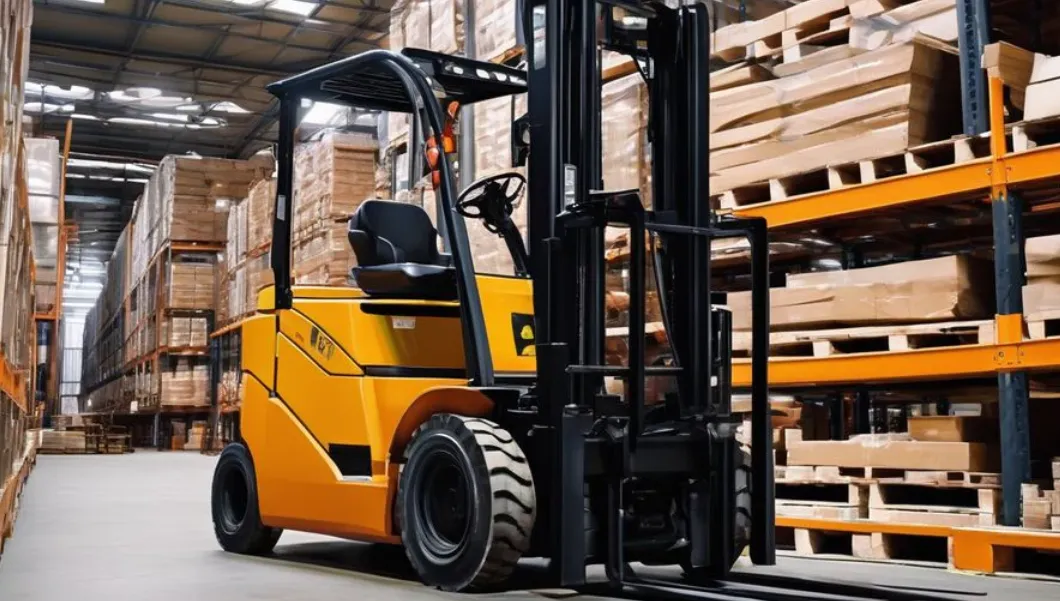
A Detailed Guide to Choosing the Right Forklift Rentals to Improve Productivity, Safety, and Operational Performance
Introduction: The Importance of Forklift Rentals in Modern Operations
In today’s fast-paced industrial environment, where warehousing, logistics, and construction operations are becoming increasingly complex, the efficiency and reliability of material handling equipment play a critical role in determining a project’s overall success, and the availability of the right equipment at the right time can make the difference between meeting operational goals and facing costly delays or inefficiencies; for many businesses, especially those managing temporary projects, seasonal peaks, or fluctuating workloads, investing in brand-new forklifts is often impractical due to high capital expenditure and ongoing maintenance responsibilities, and this is where forklift rentals offer a strategic and practical solution by providing access to modern, well-maintained equipment without long-term financial commitment, enabling businesses to improve operational efficiency, ensure workplace safety, and adapt quickly to evolving project requirements while avoiding the burdens associated with ownership.
Strategic Benefits of Forklift Rentals
Choosing forklift rentals provides several strategic advantages that directly impact a company’s operational efficiency, cost structure, and overall flexibility. One of the most important benefits is cost efficiency, as renting forklifts eliminates the need for a large upfront investment and allows businesses to pay only for the equipment they use, whether for a day, a few weeks, or several months, which frees up capital for other business priorities and reduces the financial risk associated with owning equipment that may sit idle during periods of low demand. In addition to cost savings, forklift rentals offer remarkable flexibility and scalability, enabling businesses to respond effectively to changing workloads, seasonal surges, or project-specific requirements by adjusting fleet size, equipment type, or rental duration as needed, and many rental providers offer specialized models, including electric forklifts for indoor environments, high-capacity units for heavy loads, or rough-terrain machines for outdoor projects, which ensures that operations are equipped to handle any challenge without committing to long-term purchases or investments. Another key benefit of forklift rentals is access to the latest technology and safety features, as rental fleets are frequently updated to include modern models that offer improved operational efficiency, energy savings, and advanced automation, allowing businesses to stay competitive, maintain compliance with industry regulations, and evaluate different types of equipment to determine the best fit for their specific needs without the expense or logistical burden of purchasing and maintaining multiple machines.
Key Considerations When Choosing Forklift Rentals
Selecting the right forklift rentals requires a careful evaluation of operational requirements, equipment specifications, provider capabilities, and cost structures to ensure that the rented equipment meets current and future needs effectively. The first step is to assess operational requirements, which involves understanding load capacities to safely manage the heaviest materials, lift heights to accommodate storage racks or shelving, the type of operational environment such as indoor or outdoor settings, and the frequency and duration of use to determine the appropriate rental terms. Once operational needs are clear, it is essential to evaluate rental providers to ensure reliability, fleet variety, maintenance support, and flexibility in agreements; providers with diverse fleets allow access to specialized equipment tailored to specific tasks, while those offering regular maintenance and technical support reduce downtime and operational risk, and checking reviews, testimonials, and certifications provides assurance of the provider’s credibility and service quality. Safety and compliance considerations must also be factored into the selection process, as rented forklifts should always be inspected, certified, and adhere to all applicable safety standards, and reputable rental services often include operator training to ensure safe usage, which is critical to prevent accidents, maintain operational continuity, and protect both personnel and assets. Additionally, a transparent understanding of costs and contract terms is essential, as rental fees may or may not include insurance, maintenance, delivery, or fuel, and clear knowledge of these factors allows businesses to plan budgets accurately, avoid unexpected expenses, and ensure that forklift rentals provide maximum value and efficiency for the intended period of use.
Best Practices for Maximizing Forklift Rentals
To achieve the full potential of forklift rentals, businesses should implement best practices that focus on strategic planning, operational efficiency, safety, and ongoing performance monitoring. Planning rentals in advance according to project timelines and expected workload peaks ensures that the correct equipment is available when needed, reduces last-minute expenses, and minimizes operational delays. Even with provider-maintained equipment, operators should conduct routine inspections before use, including checking brakes, forks, hydraulics, and all safety systems, to verify that the forklifts are fully operational and safe for material handling tasks. Proper training of operators is critical, as it ensures they can handle the equipment efficiently, follow safety protocols, manage loads correctly, and respond appropriately to emergencies, which ultimately reduces the risk of accidents and operational disruption. Tracking usage and performance metrics, such as operational hours, load management efficiency, and energy consumption, allows businesses to measure the effectiveness of rented forklifts, optimize operations, and inform future rental decisions to maximize return on investment. Maintaining proactive communication with rental providers is also essential to quickly address maintenance needs, request equipment replacements, or adjust rental terms, ensuring that operations remain continuous, productive, and fully supported throughout the rental period.
Applications of Forklift Rentals Across Industries
Forklift rentals have versatile applications across a wide range of industries due to their flexibility, scalability, and cost-effectiveness. In warehousing and distribution operations, forklift rentals allow businesses to manage high-volume material handling, stacking, and loading during peak periods without investing in permanent equipment that may remain underutilized during slower seasons, ensuring smooth inventory flow and operational efficiency. In the construction industry, rental forklifts provide essential support for heavy lifting, navigating rough terrain, and handling high-reach tasks, enabling contractors to adapt quickly to different project stages and maintain productivity without incurring the cost of owning specialized machines. Manufacturing plants benefit from forklift rentals by being able to respond to temporary increases in production demands, moving materials efficiently and preventing bottlenecks without purchasing additional permanent equipment that may not be needed long-term. Additionally, event management companies and organizations handling temporary installations rely on forklift rentals to transport and position equipment and materials for setup and teardown, providing a practical and economical solution that avoids the challenges of storage, maintenance, and capital investment associated with owning forklifts that are rarely used outside specific events or projects.
Renting vs. Owning: Cost-Benefit Analysis
Determining whether to rent or purchase forklifts requires a careful comparison of financial, operational, and strategic factors. While owning forklifts may be advantageous for companies with constant, high-volume operations where long-term asset utilization justifies the initial investment, renting offers significant benefits in terms of flexibility, reduced financial risk, access to modern technology, and maintenance support, which is particularly valuable for businesses with fluctuating workloads, seasonal demands, or project-based operations. Forklift rentals allow companies to allocate capital efficiently, adjust fleet size according to operational needs, experiment with different models and technologies, and avoid unexpected repair costs or equipment downtime, while ownership requires ongoing maintenance, storage, and depreciation considerations. For most businesses that face variable workloads or temporary operational challenges, forklift rentals provide an optimal balance between cost, operational flexibility, and performance, making rentals a practical and strategically sound choice for maintaining productivity and ensuring safety without incurring unnecessary expenses or operational risks.
Maximizing Productivity Through Strategic Rentals
Strategically utilizing forklift rentals can transform temporary equipment into a powerful contributor to productivity, operational efficiency, and workplace safety by aligning rental schedules with project timelines, selecting models tailored to specific operational tasks, training operators comprehensively, and monitoring equipment performance closely. Businesses that adopt this approach are able to reduce downtime, streamline material handling processes, maintain safety standards, and achieve higher throughput across operations, demonstrating that rented forklifts can deliver the same efficiency, reliability, and performance benefits as owned equipment while providing additional advantages such as flexibility, cost savings, and access to modern technology. By integrating forklift rentals into a well-planned operational strategy, companies can enhance overall efficiency, improve workplace safety, and ensure that temporary equipment contributes effectively to both short-term and long-term project success.
Conclusion
In conclusion, forklift rentals represent a highly flexible, cost-effective, and strategically valuable solution for businesses seeking to improve operational efficiency, productivity, and workplace safety without the financial, logistical, and maintenance challenges associated with ownership. By carefully assessing operational requirements, selecting reputable and capable rental providers, ensuring safety and compliance, and implementing best practices for training, inspections, and performance monitoring, businesses can fully leverage forklift rentals as an essential component of their material handling strategy. Whether addressing temporary projects, seasonal surges, or evolving operational demands, forklift rentals provide adaptability, reliability, and high performance, making them indispensable for modern industrial operations and enabling companies to optimize workflow, protect employees, and maintain operational excellence in a cost-effective and sustainable manner.


