Five Signs Your Home in San Diego is Ready for a New Roof Installation
A secure home starts with a reliable top covering that protects everything inside. Many homes in San Diego enjoy long stretches of clear weather, yet heat, moisture, and age still affect exterior surfaces. As materials break down, clear signs appear long before major trouble develops.
Homeowners begin considering a new roof installation in San Diego when they notice changes that feel unusual or out of place. Paying attention to these early clues makes planning easier and helps protect the home before wear spreads. This article explains the main signals to watch for and why each one matters.
1. Shingles Show Visible Change
Surface pieces play a key role in shielding the home from heat and moisture. When they weaken, protection drops quickly. Most signs of early decline appear right on the surface, making them easy to see during a casual look.
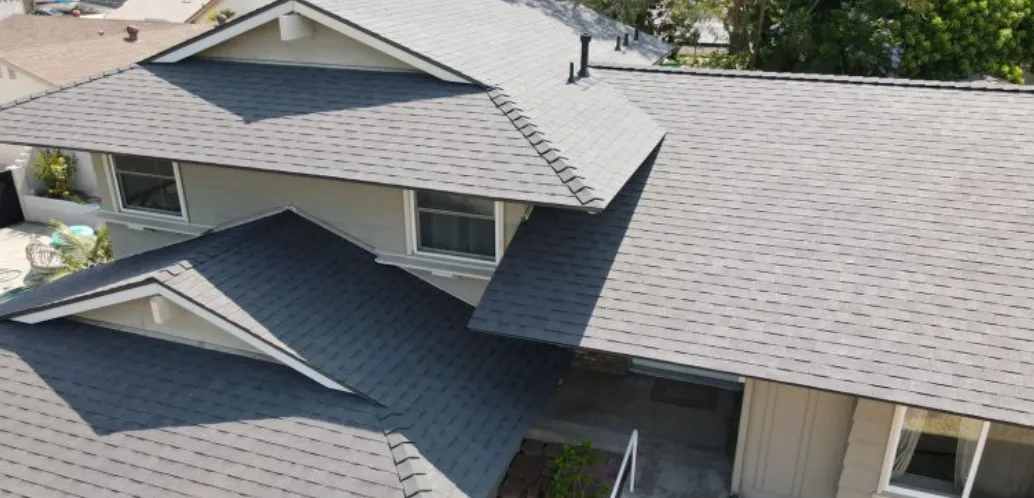
Small cracks, curled corners, or patches that lose their grain show that the materials reached the end of their useful life. These changes also make the roofline look uneven. Once these issues appear, the structure no longer performs the way it should, especially under bright sun in San Diego.
2. Marks and Moisture Inside the Home
Water does not travel into a home without a path. Stains on ceilings or walls signal that moisture found a weak point above. Even a slight mark suggests that layers meant to stay dry no longer offer full protection.
In many homes near the coast, warm days followed by cool nights create light condensation that exposes thin areas. Over time, this leads to streaks or peeling paint. When these signs appear, a professional review can confirm if the issue is small or if a full upgrade is needed.
3. Cooling Costs Rise Without a Clear Reason
A strong exterior surface helps maintain a steady indoor temperature. When gaps appear or materials lose strength, warm air slips inside during hot stretches. Cooling systems then work harder, which may explain higher bills during summer.
Modern materials help reflect heat and control temperature more effectively. Once owners notice energy changes along with visible wear, it becomes clear that the structure may be past its ideal service point. This is common in older homes across San Diego, where longer warm seasons place steady pressure on the top covering.
4. The Roof Reaches the End of Its Expected Lifespan
Every roofing system has a general lifespan. Asphalt surfaces typically last around two decades, while others may last longer. Once a home approaches this stage, reliability drops, even if no major problem has shown up yet.
Planning ahead gives owners time to choose materials suited to heat, coastal air, and seasonal shifts. Scheduling a new roof installation in San Diego also supports property value by ensuring the home remains protected before issues become urgent.
5. Storm Effects Become Noticeable
Weather patterns in San Diego can shift from bright sun to sudden rain and strong winds. While these events may be short, they still test the strength of aging materials. After several seasons, even mild storms leave traces of wear.
Clear storm-related warning signs
- Loose pieces that move out of place.
- Debris is stuck in gutters from broken sections
- Slight sagging that interrupts the natural slope.
These issues grow over time and signal that the structure no longer handles weather pressure well. Acting early prevents small concerns from turning into costly repairs.
A roof affects comfort, safety, energy use, and long-term property value. Watching for visible wear, moisture marks, heat-related changes, storm effects, and age-related decline helps homeowners take action at the right moment. Paying attention to these signs ensures that the home stays protected and ready for the future.